
Why Your Boiler Pressure Keeps Dropping at Home
- Iyanu Emmanuel
- Jul 29
- 6 min read

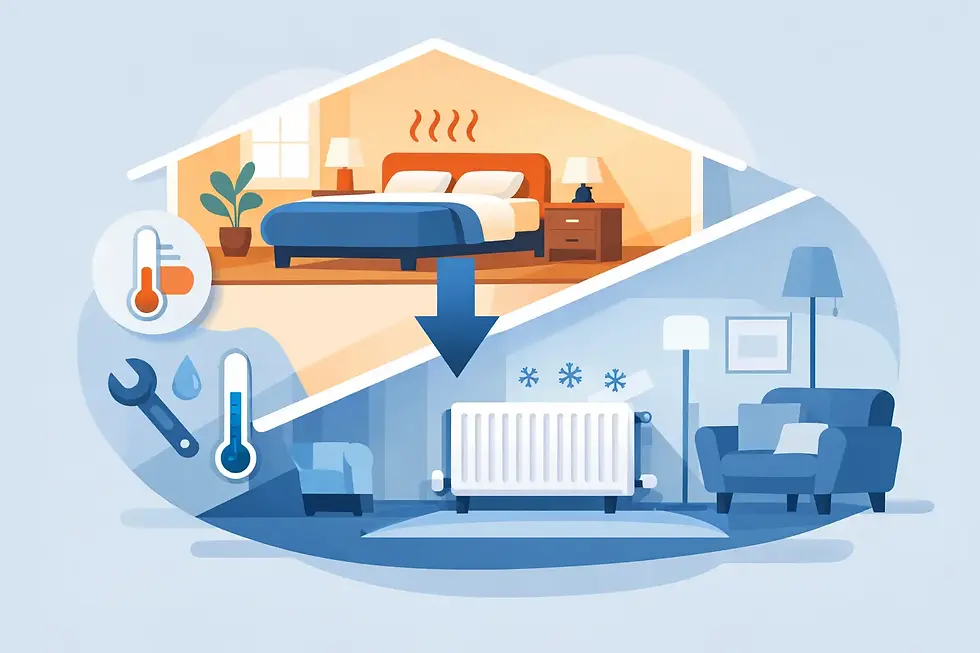
A boiler pressure gauge that has fallen into the red can quickly turn into a cold-house problem. If your boiler pressure keeps dropping, it is usually a sign that water is leaving the sealed heating system or that a component inside the boiler needs attention. Topping it up may get the heating working temporarily, but it does not always fix the reason the pressure fell in the first place.
The good news is that this fault is often repairable. The key is knowing which simple checks are safe to make, when to stop resetting or repressurising the system, and when to arrange a proper diagnosis.
What boiler pressure should be
Most domestic sealed heating systems should read around 1 to 1.5 bar when cold. Once the heating is running, the pressure normally rises a little as the water warms up. A modest movement on the gauge is normal.
Problems start when the pressure repeatedly drops below about 1 bar, the boiler stops working, or you find yourself using the filling loop every few days. Repeated pressure loss is not something to ignore. It can leave you without heating or hot water, and a hidden leak can cause damage if it is left to worsen.
Do check your boiler handbook where possible, as the correct operating pressure and filling method vary between manufacturers and models. If the gauge is at zero, or you are unsure what you are looking at, it is sensible to get help rather than guess.
Why boiler pressure keeps dropping
There are several possible causes. Some are visible around the home, while others sit inside the boiler casing and need a qualified heating engineer to investigate.
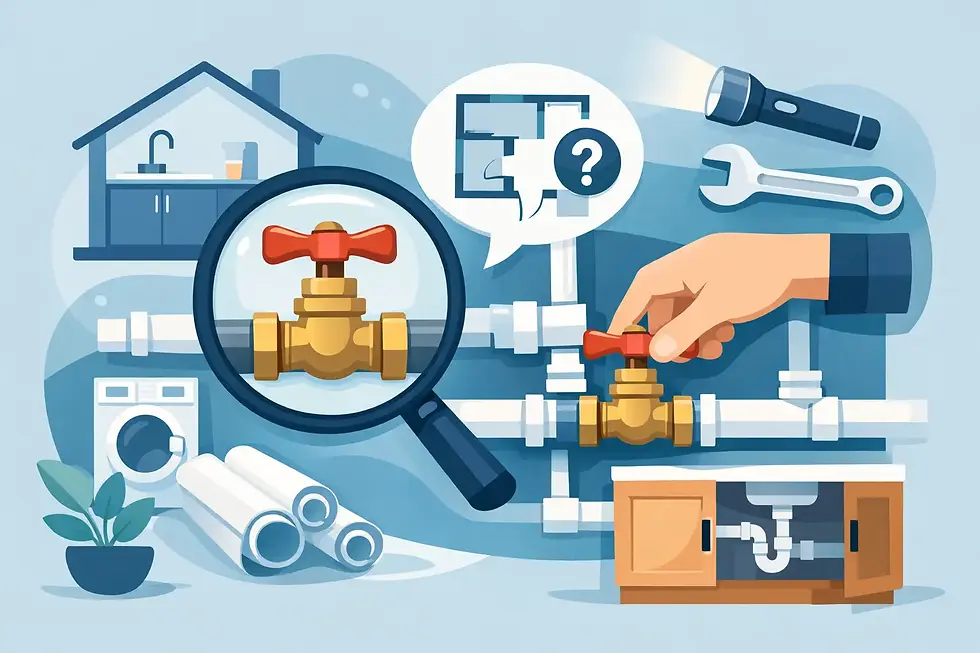
A leak on a radiator, valve or heating pipe
A small leak is one of the most common causes. Look around radiator valves, pipe joints, and beneath radiators for signs of dampness, staining, corrosion or a small puddle. A leak can be so slight that it evaporates before it becomes obvious, particularly on warm pipework.
Check any exposed pipes in cupboards, under the kitchen sink, around the boiler and near the hot-water cylinder if you have one. Do not pull up flooring or remove boiler covers to search for a leak. A professional can test the system and trace faults without turning a manageable repair into a larger job.
A radiator valve that only weeps when the heating is on can be easy to miss. If you notice green or white residue around a valve, it is worth arranging a repair even if the carpet feels dry.
The pressure relief valve is discharging water
Your boiler has a safety device called a pressure relief valve. If pressure becomes too high, it releases water through a copper pipe that usually exits outside. This protects the system, but if the valve does not reseat properly afterwards, it may continue to let water out slowly.
Check the end of the outside discharge pipe when the boiler has been running. If it is dripping or the ground below it is regularly wet, make a note of it for the engineer. Do not block or cap this pipe. It is a safety outlet and needs to remain clear.
A problem with the expansion vessel
An expansion vessel gives heated water room to expand safely. When it loses its charge or its internal diaphragm fails, the boiler pressure can rise sharply when the heating is on and then fall very low as the system cools.
This often goes together with water coming from the outside pressure relief pipe. You may see the gauge climb close to 3 bar while the heating is running, then find it below 1 bar later. Repressurising the boiler will not cure this fault. The vessel and pressure relief valve need to be checked and repaired properly.
Air has been released from radiators
Bleeding radiators lets trapped air out, but it also reduces the water volume in the system. It is normal to need to top the pressure up after bleeding one or more radiators.
If the pressure stays steady afterwards, there may be no wider fault. If it keeps falling after you have topped it up once, there is likely another cause. Constantly bleeding radiators without addressing why air is getting into the system can make matters worse.
A fault inside the boiler
Internal seals, pumps, heat exchangers and automatic air vents can all develop faults over time. You may not see the resulting water because it stays within the boiler casing or evaporates on hot parts.
This is not a DIY repair. Never remove the boiler case, even if you are comfortable with household maintenance. Boiler work involves gas, electrical components and safety systems. A Gas Safe registered engineer can inspect the appliance safely and explain what has failed in plain terms.
Safe checks you can make before calling
Start by looking at the pressure gauge with the heating cold. Take a photograph of the reading, then check it again after the heating has been on for an hour or two. This gives useful information about whether pressure is simply low or rising and falling excessively.
Have a quick look around visible radiators and pipework for damp patches. Check whether the outside copper discharge pipe is dripping. If you have recently bled a radiator, make a note of that too.
You can top up the pressure once using the filling loop or filling key, but only if you know the correct method for your boiler. Bring the system back to the manufacturer’s recommended cold pressure, usually around 1 to 1.5 bar, and make sure the filling loop valves are fully closed afterwards. Leaving a filling loop open can cause over-pressurisation.
Do not keep topping it up every time the gauge falls. Fresh water introduces oxygen into the system, which can contribute to internal corrosion. More importantly, repeated top-ups can conceal a leak or failing component until it becomes a more disruptive problem.
When low boiler pressure needs urgent attention
A low-pressure boiler is not always an emergency, particularly if there is no visible leak and you still have heating. However, prompt action is needed if water is escaping, pressure is dropping rapidly, or the boiler repeatedly locks out.
Turn the boiler off and arrange help without delay if you see water leaking from the boiler itself, a pipe has burst, or there is significant water around electrical fittings. If a leak is causing flooding, isolate the water supply if it is safe to do so and protect belongings where you can.
A gas smell, signs of soot, a yellow or lazy boiler flame where one is visible, or a carbon monoxide alarm sounding are different safety issues. Leave the property if necessary, call the gas emergency service, and do not use electrical switches or naked flames. Do not treat these signs as a routine pressure fault.
For homeowners, landlords and letting agents in Harpenden, Wheathampstead, Redbourn and Batford, a rapid domestic heating repair can prevent a small pressure issue from becoming a no-heating call-out or a water-damage problem.
What a heating engineer will check
A proper visit should be about finding the cause, not simply restoring the gauge to a normal reading. The engineer may inspect visible pipework and radiator valves, test the pressure relief pipe, assess the expansion vessel, check the boiler for internal leaks and confirm that the filling arrangement is working correctly.
The right repair depends on the fault. It may be a valve seal, a radiator connection, a pressure relief valve or an expansion vessel. In some homes, the issue is more involved, such as concealed pipework or an ageing boiler component. Honest diagnosis matters because the cheapest-looking fix is not always the one that stops the pressure loss for good.
At Active 24-7, the focus is on practical domestic repairs, clear advice and quality work done right the first time. You should be told what has been found, what needs repairing and what can reasonably wait, without jargon or pressure.
A boiler that loses pressure once after a radiator has been bled may need nothing more than a careful top-up. A boiler that loses pressure again and again is asking for attention. Getting it checked early is usually calmer, cleaner and less expensive than waiting until the heating fails on a cold evening.

Comments