
What to Do With a Burst Pipe Before Help Arrives
- Iyanu Emmanuel
- Jul 24
- 5 min read

A burst pipe can turn a quiet evening into a serious property emergency within minutes. If you are wondering what to do with burst pipe damage, focus first on stopping the water, keeping people safe and limiting damage while a plumber is on the way. Do not panic, but do act quickly.
What to Do With a Burst Pipe: Your First Actions
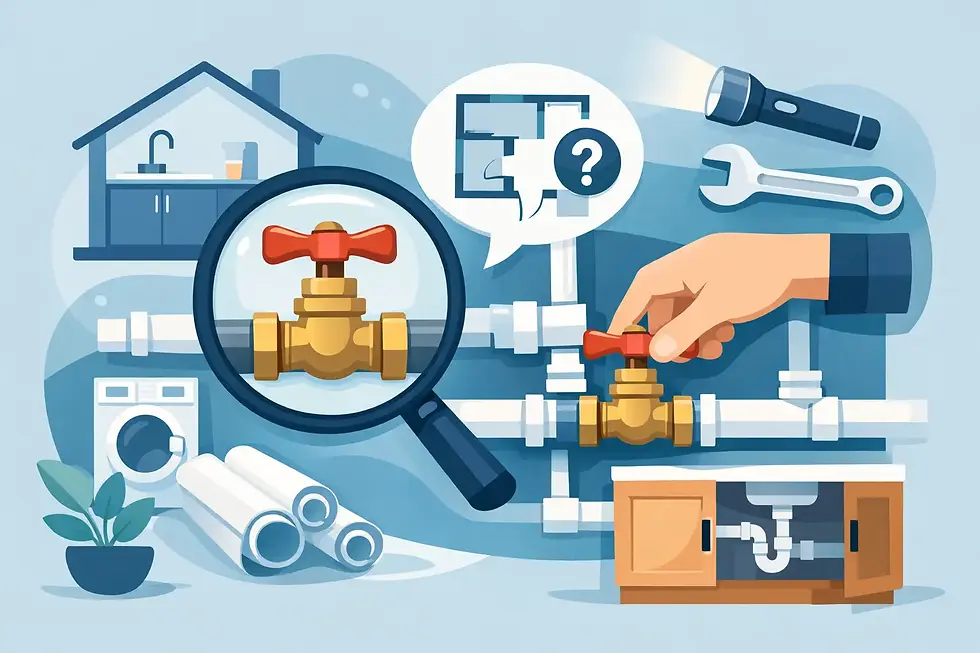
The priority is to stop more water entering the property. Find your internal stopcock and turn it clockwise until the water supply stops. In many homes, it is under the kitchen sink, in a utility room, near the front door, beneath the stairs or where the mains water pipe enters the house.
If you cannot find it straight away, ask someone else in the household to look while you deal with the immediate risk. Landlords and letting agents should make sure tenants know where the stopcock is before an emergency happens. It is one of the simplest ways to reduce the damage from a leak or burst pipe.
Once the stopcock is off, turn on the cold taps to drain as much remaining water from the pipework as possible. Start with the lowest tap in the home if you can. Flush the toilet once or twice as well, as this can help reduce pressure in the system.
A burst pipe may be obvious, with water spraying from a split section of pipe. But it can also show up as water coming through a ceiling, a damp patch growing on a wall, a sudden loss of water pressure or a boiler pressure problem. The visible water is not always directly below the failed pipe, so avoid assuming you have found the source just because you have found the drip.
Keep Electricity and Heating Safe
Water and electricity are a dangerous combination. If water is close to sockets, lights, appliances, consumer units or electrical wiring, do not touch anything in the affected area. If it is safe to reach the consumer unit without walking through water, switch off the electricity supply. If there is any doubt, leave it alone and move everyone away from the area.
Do not use electrical appliances, extension leads or a vacuum cleaner to clear floodwater. A mop, towels and buckets are safer for small amounts of water, provided the area is clear of electrical hazards.
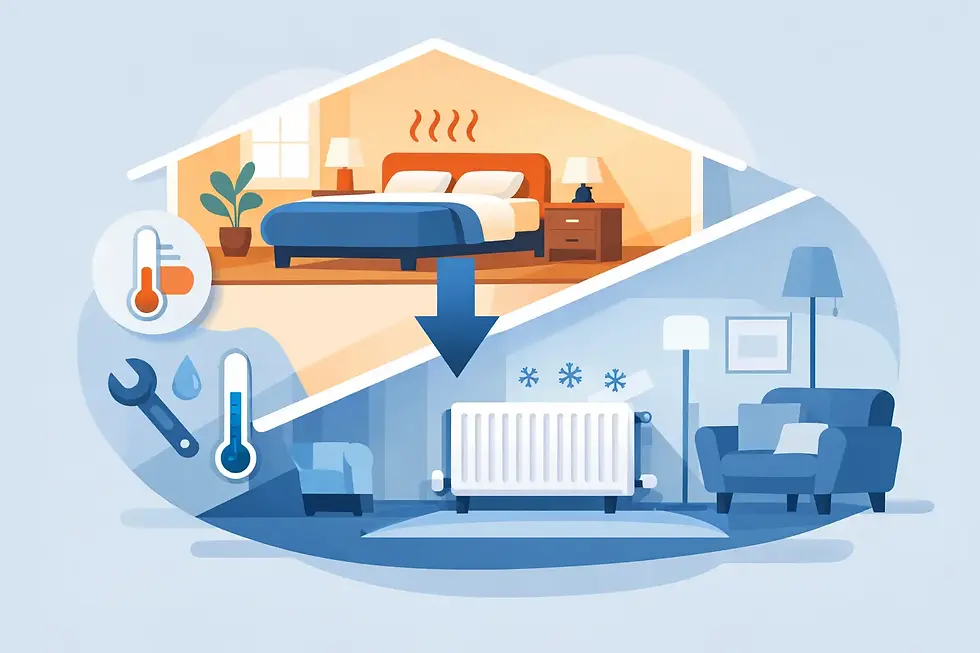
If the burst pipe is part of your heating system, switch off the boiler and central heating at the controls. Do not attempt to remove boiler panels or interfere with valves you are unsure about. Heating pipework, boiler connections and hot-water cylinders can involve hot water, pressure and electrical components. The sensible approach is to isolate what you safely can and arrange a proper repair.
Where a ceiling is bulging with water, keep clear of it. Do not pierce it yourself unless you fully understand the risks and can do so safely. A waterlogged ceiling may become unstable, and there may be electrical wiring above it. Move furniture and valuables away from the area, then wait for professional advice.
Limit Water Damage Without Creating More Problems
After shutting off the water, contain what you can. Place buckets or washing-up bowls beneath drips, then use towels to soak up water from floors and surfaces. Move rugs, soft furnishings, electronics, paperwork and other valuables away from the affected area. If water has reached fitted units or flooring, do not assume the problem is only cosmetic. Moisture can travel behind skirting boards, under laminate and into cupboards.
Open internal doors to improve airflow, but do not open windows wide in freezing weather if the heating is off and more pipes could be at risk. If the weather is very cold, a little ventilation may help later, but preventing further freezing is the immediate concern.
Take clear photographs and short videos once the area is safe. Record the damaged pipe if visible, the water affected areas and any belongings or finishes that have been damaged. This can be useful for your insurer, landlord or property records. Do not delay the emergency repair simply to document everything.
Avoid wrapping a burst pipe with tape and treating it as a permanent fix. Tape, putty and temporary clamps may slow a very small leak in the right circumstances, but they do not deal with the underlying cause. A pipe that has frozen, corroded, split at a joint or failed due to pressure needs proper assessment.
When to Call an Emergency Plumber
A burst pipe needs urgent attention, particularly if you cannot fully stop the water, it is affecting electrics, the leak is hidden, or water is damaging ceilings, walls or floors. You should also call for help if the pipe has burst in a loft, behind a kitchen unit, beneath a floor or near the boiler.
For homeowners in Harpenden, Wheathampstead, Redbourn and Batford, a local emergency plumber can attend, identify the failed section and make the system safe before carrying out the appropriate repair. Active 24-7 provides round-the-clock domestic plumbing support with straightforward advice and no jargon or pressure.
When you call, explain where the water is appearing, whether the stopcock is off, whether the electrics are affected and whether you have heating or hot water. Mention if the leak followed freezing weather, recent plumbing work, a loss of pressure or an issue with the boiler. These details help the plumber arrive prepared and assess the likely cause more quickly.
If you live in a flat, tell the managing agent or building manager as soon as possible. Water can travel between properties, and the source may be in a neighbouring flat or a shared supply pipe. If water is entering from above, do not wait for visible flooding before reporting it.
Why Pipes Burst in the First Place
Frozen pipes are a common cause during cold spells. Water expands as it freezes, which can split pipework or force apart a weak joint. The pipe may not begin leaking until the ice thaws, which is why a problem sometimes appears after temperatures rise.
Older pipework can also fail through corrosion, wear at joints or poor previous repairs. Pipes in unheated lofts, garages, outbuildings and cupboards against external walls are more exposed to cold. A slow drip can sometimes be the warning sign of a weak fitting before it becomes a bigger failure.
High water pressure, faulty valves and heating system faults can contribute too. It depends on the type and location of the pipe. A cold mains-water pipe, a central-heating pipe and a hot-water pipe do not always need the same repair. A proper diagnosis matters because replacing the visible damaged section alone may not solve the reason it failed.
Prevent Another Burst Pipe
Once the emergency has been dealt with, ask what caused it and whether there are nearby pipes at similar risk. This is particularly worthwhile after a frozen pipe, as there may be other poorly insulated sections in the loft or outside cupboard.
Before cold weather arrives, make sure vulnerable pipework is insulated, draughts around exposed pipes are reduced and the heating is not left completely off during a freeze. If you are away from home in winter, leave the heating on a low setting where practical. For empty rental properties, regular checks are sensible, especially during prolonged cold weather.
It is also worth testing that the stopcock turns freely. A stopcock that is seized when you need it is no help at all. Do this carefully during planned maintenance rather than forcing it during an emergency.
A burst pipe is disruptive, but fast, calm action makes a real difference. Stop the water if it is safe, protect people and electrics, contain what you can and get the repair dealt with properly. That gives your home the best chance of avoiding a small plumbing failure becoming a much larger repair.

Comments