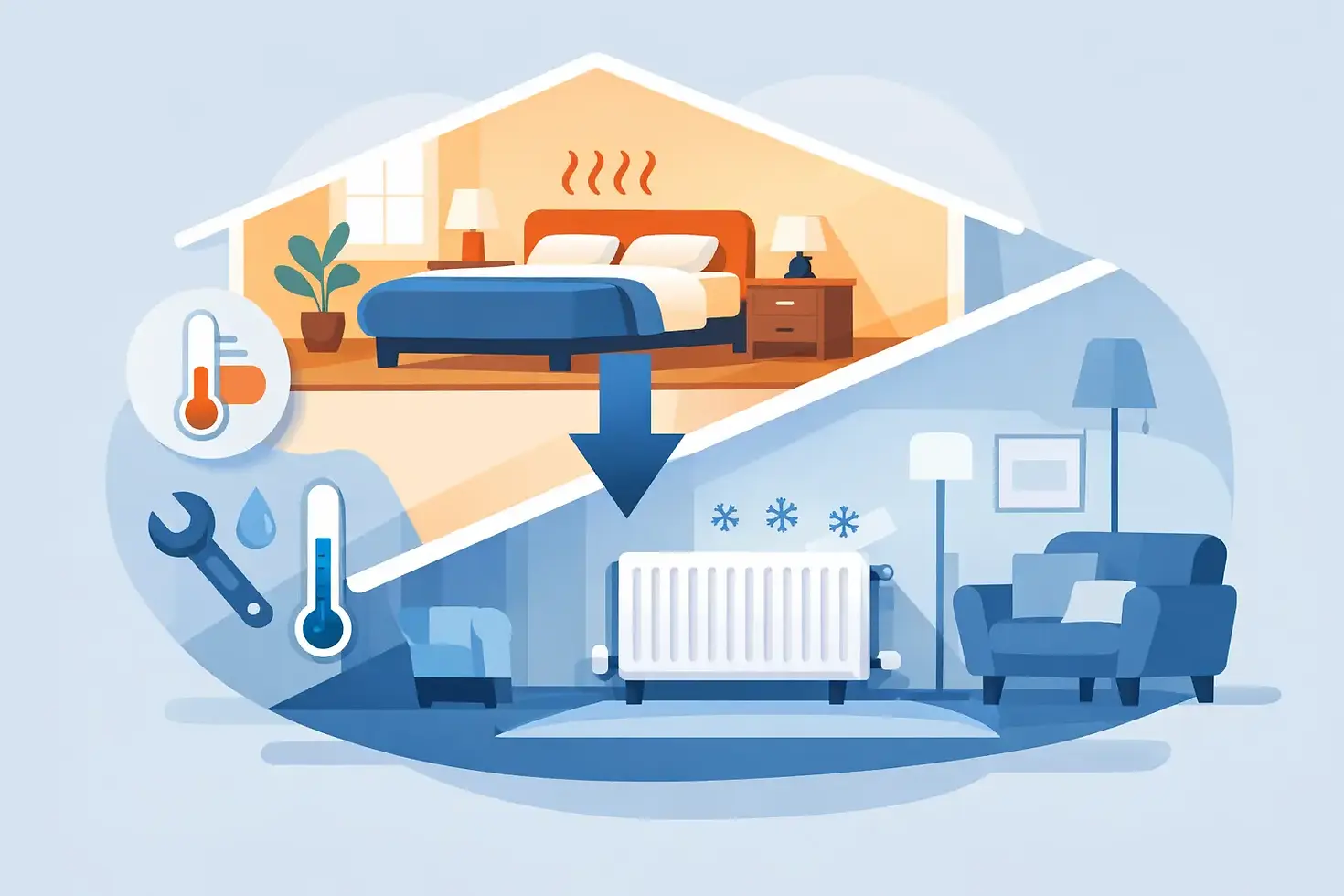
Why Are Radiators Cold Downstairs? Common Causes
- Iyanu Emmanuel
- 2 days ago
- 6 min read

When the bedrooms are warm but the lounge, kitchen or hallway will not heat up, it is natural to ask: why are radiators cold downstairs? It is rarely something you should simply put up with. The cause may be as straightforward as a valve that has been knocked closed, or it may point to a circulation or system-water problem that needs a proper repair.
The useful clue is the pattern. Are all downstairs radiators cold? Is just one radiator affected? Are they cold at the bottom but warm at the top? Those details help identify the fault quickly, without guesswork or jargon.
Why are radiators cold downstairs when upstairs works?
In most two-storey homes, heating water is pumped around the system. It should reach radiators upstairs and downstairs, so warm upstairs radiators do not mean cold radiators below are normal or unavoidable.
If every downstairs radiator is cold while those upstairs heat normally, the problem is often related to water flow, heating controls or the way the system has been balanced. If one downstairs radiator is cold, start by looking at that radiator's valves. If several radiators are only partly warm, there may be sludge or air restricting circulation.
A boiler may still be working perfectly well while one part of the heating system is not. That is why replacing a boiler is not automatically the answer to this type of fault. A sensible diagnosis comes first.
Check the simple things first
Before arranging a repair, there are a few safe checks worth making. Do not remove radiator parts or open pipework, and let the system cool before touching valves.
Make sure the heating is switched on and the room thermostat is set above the current room temperature. If you have separate heating zones, check that the downstairs zone and any associated timer are set to call for heat. Some homes have controls for upstairs and downstairs independently, so a programme setting or control fault can affect only one floor.
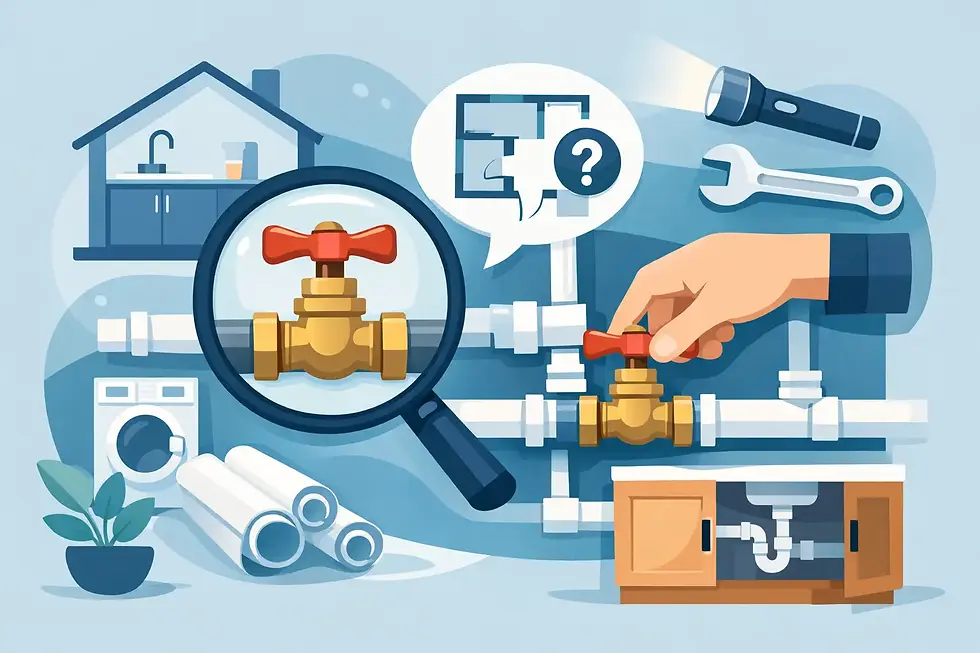
Next, look at the valves at the bottom of each cold radiator. The thermostatic valve usually has a numbered dial. Turn it to a higher setting and give the heating time to respond. The other valve, often covered by a plain plastic cap, is the lockshield valve. It should not normally be adjusted casually, as it affects system balancing, but check it has not been fully turned off.
If a thermostatic valve is set correctly but the radiator remains cold, the pin inside can sometimes stick after a long period without use. This is a common issue at the start of the heating season. It can be freed, but forcing the valve or dismantling it can create a leak, so it is usually best left to a heating engineer.
Cold at the bottom, warm at the top: sludge may be the issue
A radiator that is warm across the top but cold along the bottom is giving a different warning sign. This normally suggests a build-up of sludge and debris inside the radiator. Over time, corrosion within a heating system creates a dark sediment that settles in low points and restricts the flow of hot water.
Downstairs radiators can be particularly affected because debris naturally collects in lower pipe runs. It may begin with one radiator taking much longer to warm up, then spread to other parts of the system as circulation becomes poorer.
The right repair depends on the condition of the system. In some cases, an individual radiator can be removed and cleaned. Where several radiators are affected, a more thorough system clean may be the sensible option. A heating engineer should also check whether the system needs inhibitor added afterwards. Without it, the same corrosion problem can return.
Do not confuse this with trapped air. Air usually leaves a radiator cold at the top while the bottom feels warmer. Sludge tends to do the opposite.
When bleeding radiators may help
If the top of a radiator is cold, or you can hear gurgling and trickling sounds, there may be air in the system. Bleeding the radiator can help restore heat, provided it is done carefully with the heating off and the radiators cool.
Use a proper radiator key, protect the floor with a cloth and only open the bleed point slightly until air stops and water appears. Close it securely, then check the boiler pressure afterwards if you have a sealed system. Pressure that is too low can stop heating water circulating properly.
If you are repeatedly bleeding radiators, topping up pressure frequently, or finding water around the boiler or radiators, do not keep treating the symptom. There may be a leak, a faulty expansion vessel or another system fault that needs attention.
Poor circulation, pump problems and balancing faults
When all or most downstairs radiators are cold, particularly if the pipework near the boiler gets hot but heat does not travel through the house properly, poor circulation becomes more likely.
The circulating pump moves heated water around the system. A failing, blocked or incorrectly set pump may not provide enough flow to heat every radiator. This can be more noticeable on systems with older pipework, recent alterations, or a build-up of debris.
Incorrect balancing can produce a similar result. Balancing is the adjustment of radiator valves so that each radiator receives an appropriate share of hot water. Without it, water can take the easiest route around the system. Some radiators may heat quickly while others, often further along the circuit, stay cold or merely lukewarm.
Balancing is not just a matter of opening every valve fully. It needs to be adjusted methodically while temperatures are checked. Small changes can make a significant difference, and an engineer can identify whether balancing is the whole problem or whether it is masking a circulation fault.
Could the controls or zone valve be at fault?
Homes with separate upstairs and downstairs heating zones often use motorised valves to direct hot water where it is needed. If the downstairs valve sticks, fails electrically or does not open fully, upstairs heating may work while downstairs radiators remain cold.
A faulty thermostat, timer or wiring issue can create the same result. You may notice that the boiler fires for hot water or upstairs heating, but does not respond when the downstairs thermostat is turned up. This is not a radiator problem, even though the result is cold radiators.
Controls faults need accurate testing. Replacing parts at random can be expensive and does not guarantee a fix. A proper inspection should confirm whether the thermostat is calling for heat, whether the valve is moving correctly and whether circulation is reaching the affected pipework.
Check boiler pressure, but do not keep topping it up
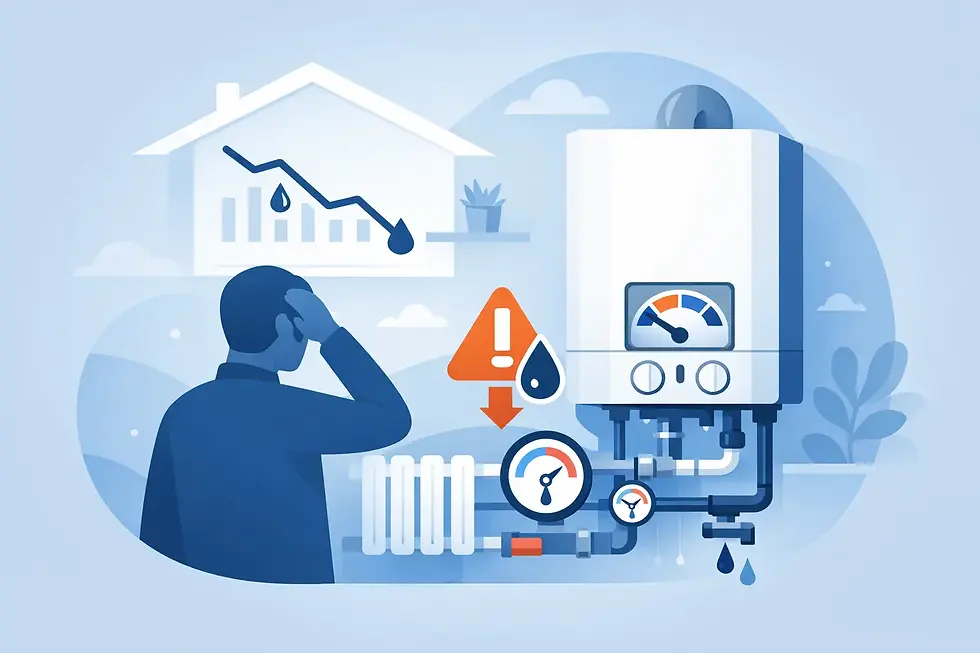
If your boiler has a pressure gauge, check it when the system is cold. Many sealed systems operate at around 1 to 1.5 bar when cold, although the correct range can vary by boiler. Low pressure can reduce circulation or prevent the heating from operating.
If the pressure is below the marked range, you may be able to repressurise it using the filling loop, following the boiler manufacturer's instructions. However, if pressure keeps dropping, it needs investigating. Constantly adding water can introduce fresh oxygen into the system and contribute to further corrosion.
A boiler showing an error code, making unusual noises, leaking, or losing pressure should be checked by a qualified heating professional rather than repeatedly reset.
When cold downstairs radiators need urgent help
A lack of heating is uncomfortable, but it becomes more urgent when temperatures are low, children, older residents or vulnerable people are in the property, or there is no hot water as well. Contact a heating engineer promptly if you have no heat at all, a suspected boiler leak, a burning smell, repeated boiler lockouts or a carbon monoxide alarm sounding.
If you smell gas, do not try to diagnose the boiler. Turn off the gas supply only if it is safe to do so, open doors and windows, leave the property and contact the gas emergency service. Do not use electrical switches, naked flames or appliances.
For homeowners, landlords and letting agents in Harpenden, Wheathampstead, Redbourn and Batford, a clear diagnosis can prevent a small heating imbalance becoming a wider system problem. Active 24-7 can assess cold radiators, heating controls, pressure and circulation issues, then explain the practical repair before work begins.
A cold downstairs radiator does not always mean a major repair, but it does mean the system is not working as it should. A few simple observations about which rooms are affected and where each radiator feels cold will help get the right fault fixed properly, first time.

Comments