Boiler Leaking Water? Act Quickly, Stay Safe
- Iyanu Emmanuel
- Jul 19
- 5 min read

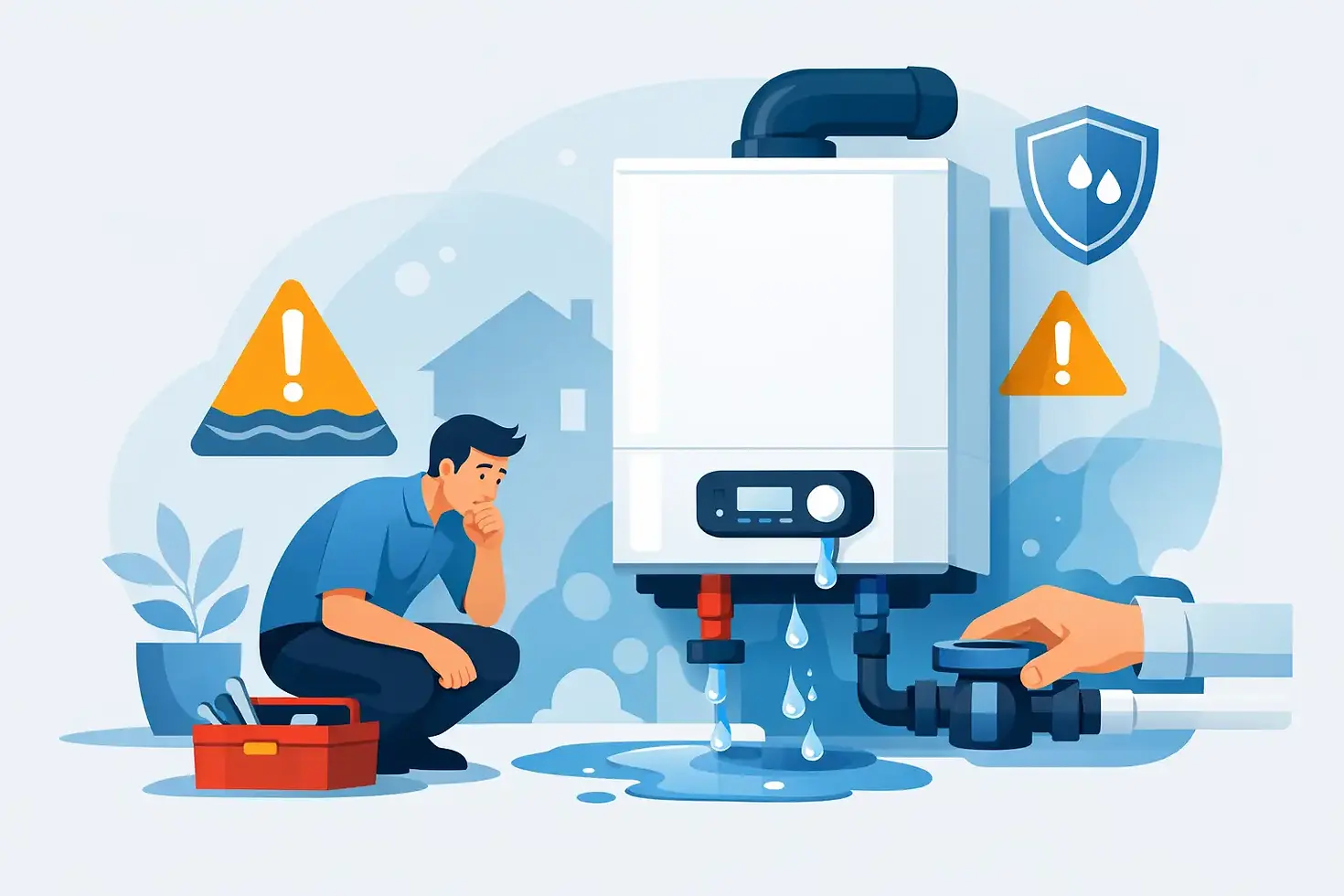
Water beneath a boiler is never something to ignore. A boiler leaking water may be a small, contained issue, but it can also signal a fault that damages flooring, affects electrics or leaves your home without heating and hot water. The right response is to stay calm, limit the immediate risk and arrange a proper diagnosis rather than trying to seal or adjust parts of the boiler yourself.
What to do when your boiler is leaking water
First, look at where the water is collecting without taking off the boiler casing or touching any controls that you do not recognise. Put down towels or a shallow container if it is safe to do so, keeping water away from electrical sockets, extension leads and appliances.
If you can see a steady drip or water is spreading quickly, switch the boiler off at its normal electrical isolation point only if you can reach it safely and without standing in water. Do not use a wet switch, and do not interfere with the gas supply unless you smell gas or have been told to do so by the emergency gas service.
A few practical steps can reduce damage while you wait for help:
Turn off the central heating and hot water controls.
Move belongings, rugs and furniture away from the affected area.
Check the boiler pressure gauge and note the reading, but do not repeatedly top it up.
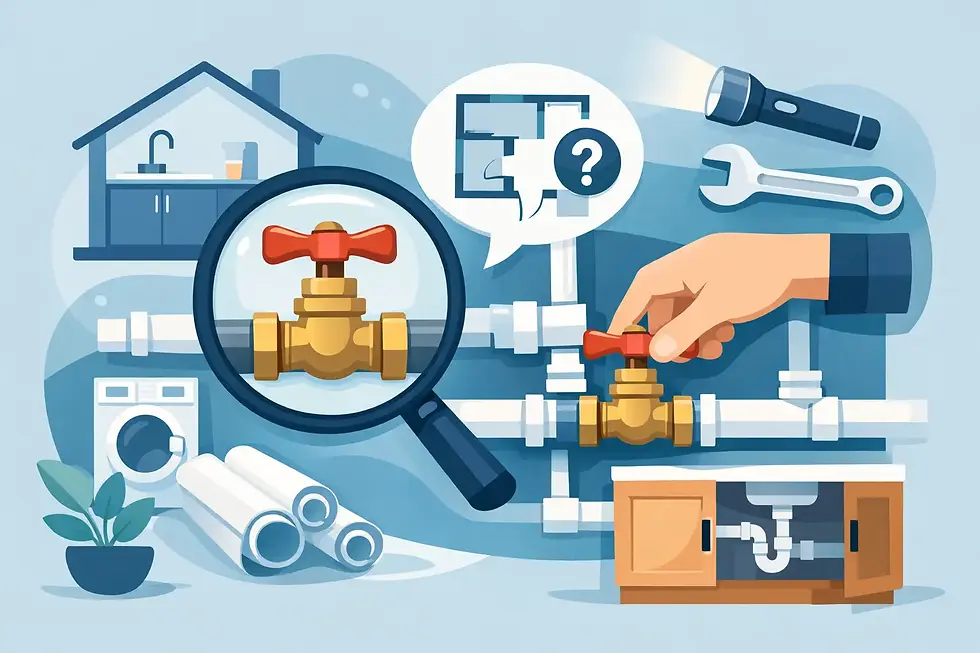
If the leak is coming from visible pipework nearby, turn off the water supply only if you know exactly which valve controls it.
Photograph the leak and any error code on the boiler display, if present.
If you smell gas, hear hissing from a gas pipe or feel unwell, leave the property, avoid switches and naked flames, and contact the gas emergency service immediately. A water leak alone does not necessarily mean a gas danger, but it should still be assessed by a suitably qualified heating engineer.
Why is my boiler leaking water?
The location and timing of the leak give useful clues. Water dripping from a pipe beneath the boiler can have a different cause from water appearing from the bottom of the casing. What looks like a boiler leak can also be condensation, a leaking valve or pipework close by. That is why a proper inspection matters.
Pressure that is too high
Most sealed heating systems operate within a normal pressure range shown on the boiler gauge. If pressure rises too high, the boiler may release water through its pressure relief valve to protect the system. This often sends water through a copper discharge pipe that leads outside.
You might notice water outside after the heating has been running, or find that the pressure gauge climbs towards the red zone. The underlying cause could be an overfilled system, a faulty expansion vessel or a pressure relief valve that is no longer sealing correctly. Turning down the pressure may provide a temporary change, but it will not repair the fault that caused it.
A leaking valve, pump or internal seal
Boilers contain valves, connections, seals and moving components that can wear over time. Even a minor seal failure can create a drip, particularly when the system heats up and pressure changes. A pump or valve connection may also leak intermittently, making the problem easy to miss until water has built up in the casing.
These are not jobs for household sealant or a quick tightening attempt. Working inside a boiler can create further damage and, where gas appliances are concerned, must be left to a qualified professional.
Corrosion in the heating system
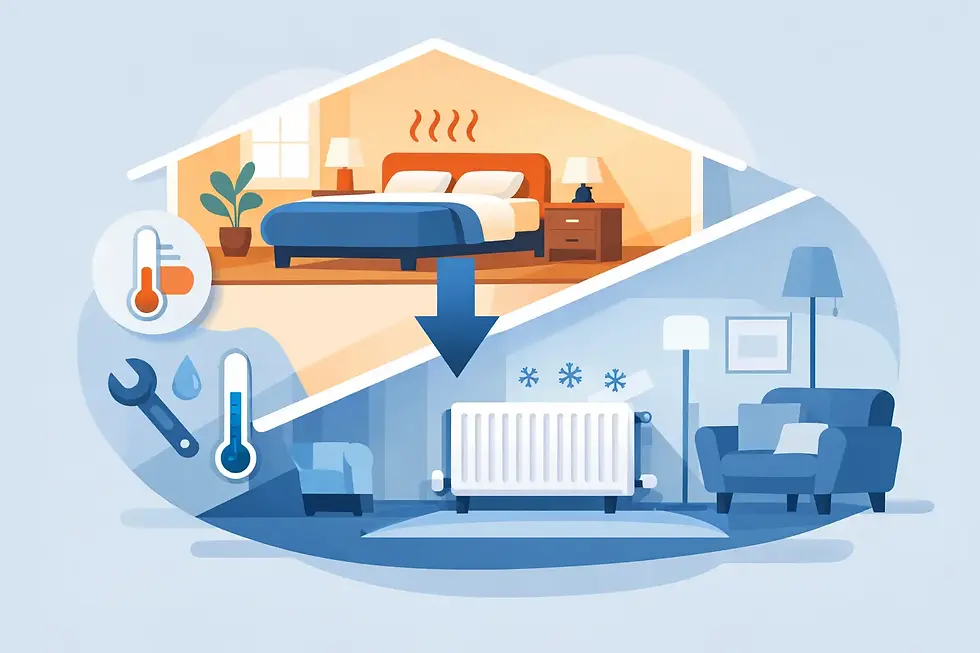
Older systems can develop corrosion in radiators, pipework or components within the boiler. Dirty system water, often called sludge, can contribute to wear and reduce heating performance. A leak may be one sign among others, such as cold radiator patches, noisy pipes, repeated pressure loss or a boiler that needs topping up too often.
The repair depends on what has corroded and how extensive the problem is. Sometimes a worn component can be replaced. In other cases, the engineer may recommend cleaning the system or addressing poor water quality to help prevent repeat faults.
Condensate pipe problems
Modern condensing boilers produce condensate, which should drain away through a dedicated pipe. If that pipe is loose, cracked, blocked or frozen during cold weather, water may appear around the boiler or the boiler may shut down.
Condensate is usually different from a pressurised system leak, but it still needs checking. A frozen external condensate pipe can sometimes be safely thawed with warm, not boiling, water if it is easy to reach. If you are unsure, if the pipe is inaccessible or if water is entering the home, arrange help instead.
Boiler leaking water from underneath or inside
Water coming from underneath the boiler is often linked to a connection, valve, condensate pipe or pressure discharge route. It can still be serious, particularly if the leak is persistent or the boiler pressure is dropping.
Water escaping from inside the boiler casing needs more urgent attention. Do not remove the cover to investigate. Switch the boiler off safely, protect the surrounding area and book a repair. Internal leaks can affect electrical parts and may cause the boiler to lock out completely.
If the boiler is installed in a kitchen cupboard, do not assume the cupboard has contained the problem. Check the base, adjacent units and the ceiling below if there is a room underneath. Small drips can travel along pipes or timber before becoming visible.
Can you keep using a leaking boiler?
It depends on the cause, but the safe answer is usually no. A tiny amount of water from an external condensate connection may not stop the boiler immediately, while a leak from the casing, pressure relief pipe or heating components can worsen quickly once the system heats up.
Continuing to run a leaking boiler risks water damage and can turn a straightforward component repair into a larger issue. It may also cause pressure loss, meaning radiators stop heating properly or the boiler repeatedly shuts down. Avoid topping up the pressure every day to keep it going. Repeated topping up introduces fresh water into the system and can make corrosion worse over time.
For landlords and letting agents, a reported boiler leak should be treated promptly even if the tenant still has some heating. Clear communication, early attendance and a proper record of the issue help protect both the property and the people living in it.
What a heating engineer will check
A proper visit starts with finding the source of the water, not guessing from the symptom. The engineer will check the boiler pressure, visible connections, safety discharge pipework, condensate route and relevant internal components. They may also look at the wider heating system where pressure loss, corrosion or radiator issues suggest the boiler is not the only cause.
The aim should be a practical repair with a clear explanation of what has failed, what needs doing now and whether any follow-up work would help avoid another breakdown. There is a difference between a single worn valve and a system with ongoing pressure or water-quality problems. Honest advice matters because the right repair depends on the condition of the whole installation.
Active 24-7 provides domestic boiler leak diagnosis and plumbing support across Harpenden and St Albans, including urgent call-outs where water is actively escaping or heating has failed. You should expect straightforward communication, no jargon or pressure, and work focused on getting the fault fixed properly.
Do not wait for a small leak to become damage
A drip can seem manageable until it stains a ceiling, damages a kitchen unit or causes the boiler to stop on a cold evening. If your boiler is leaking water, make the area safe, switch the boiler off where appropriate and arrange a professional check as soon as you can. Acting early gives you more chance of a contained repair and less chance of a disrupted home.

Comments