Radiator Not Heating? Checks and When to Call
- Iyanu Emmanuel
- Jul 21
- 5 min read

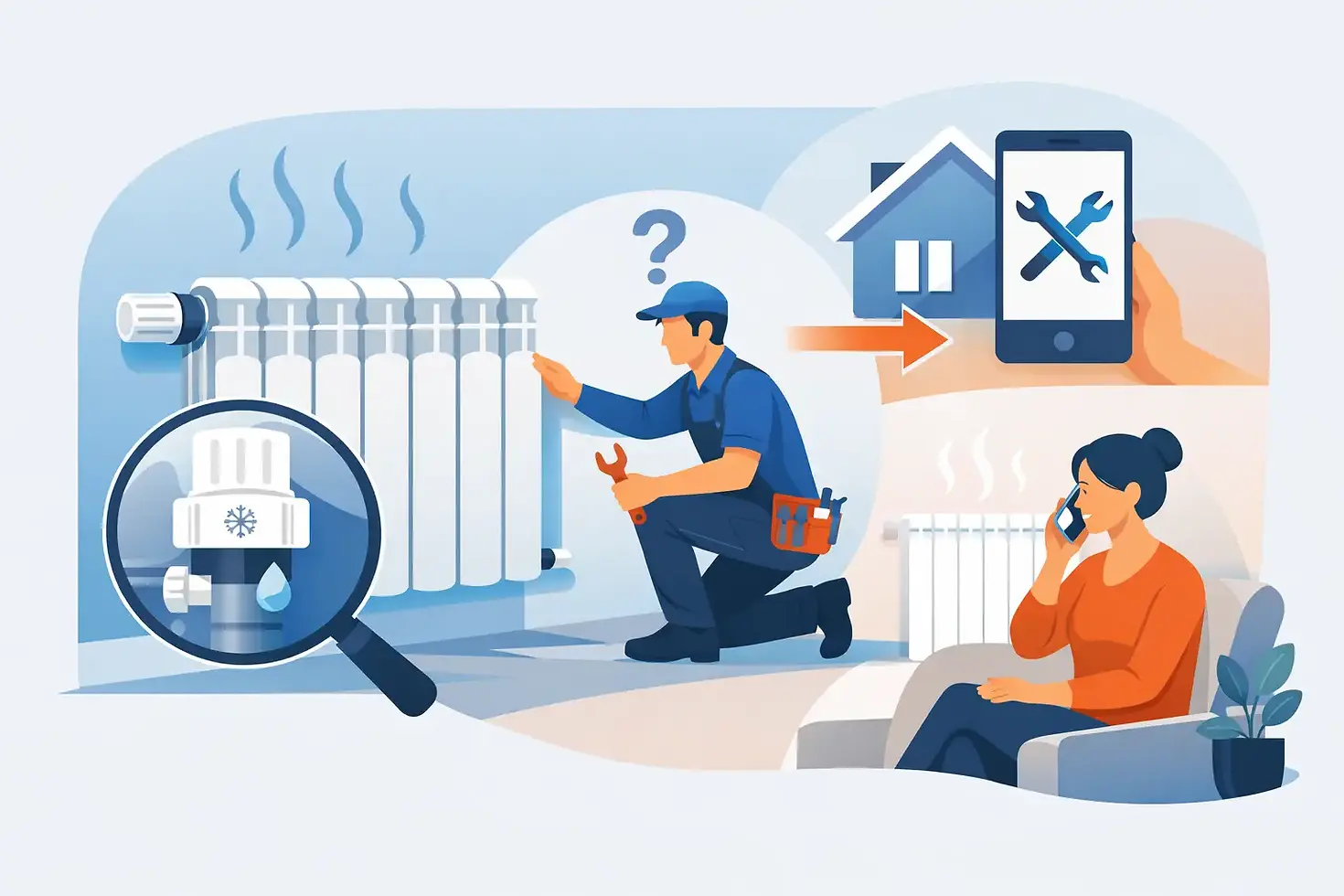
A radiator not heating is frustrating when the rest of the house is warm, and more worrying when several rooms are cold as well. The cause may be as simple as a valve setting, but it can also be a sign that your heating system needs attention. A few safe checks can help you describe the problem clearly and decide whether it is time to call for a repair.
First, work out whether it is one radiator or the whole system
Start by checking the other radiators while the heating is switched on. If only one radiator is cold, the issue is often local to that radiator: a stuck valve, trapped air or a build-up of sludge can all prevent it from warming properly.
If several radiators are cold, lukewarm or slow to heat up, the fault may sit elsewhere. Check that your programmer is set to heating, the room thermostat is turned above the current room temperature, and the boiler has power. A boiler warning light, error code, loss of pressure or lack of hot water points to a wider heating fault rather than a single radiator problem.
This distinction matters. Turning up a valve will not fix a boiler fault, and repeatedly resetting a boiler without knowing why it has stopped can make diagnosis more difficult. If your home has no heating and temperatures are low, particularly where children, older people or vulnerable residents are present, arrange help promptly.
Check the radiator controls
Most radiators have two valves. At one end is usually a thermostatic radiator valve, often with a numbered dial. At the other is a lockshield valve, usually hidden under a plastic cap and used to balance the heating system.
Make sure the thermostatic valve is turned up. If the radiator remains cold while nearby radiators heat normally, try turning the dial down and back up again. The small pin inside these valves can sometimes stick, especially after being left unused over summer. This is a common, fixable issue, but the valve should be handled carefully. Forcing it or removing parts unnecessarily can cause a leak.
Avoid adjusting the lockshield valve unless you understand how the system has been balanced. Its setting affects how water flows around the house. A small change can make another room hotter or colder, and opening it fully is not always the answer.
Feel where the radiator is cold
With the heating running for a while, carefully feel the radiator surface. This gives useful clues:
Cold at the top but warmer at the bottom often means air is trapped inside.
Cold at the bottom but warmer at the top can indicate sludge or debris restricting the flow of water.
Warm at the top and bottom but cold in the middle may suggest poor circulation or a partially closed valve.
Completely cold while the pipes beneath it are warm may point to a valve problem.
Take care around very hot radiators and pipework. You do not need to dismantle anything to make these observations, but they can save time when an engineer attends.
Is bleeding the radiator appropriate?
If the top of the radiator is cold and the rest is warm, bleeding it may release trapped air. Turn the heating off first and allow the radiator to cool. Put a cloth and small container beneath the bleed valve at the top of the radiator, then use a proper radiator key to turn it very slowly.
You should hear air escaping. Once water begins to appear, close the valve firmly but do not overtighten it. Wipe away any water, turn the heating back on and give the radiator time to warm through.
After bleeding, check the boiler pressure if you have a sealed system with a pressure gauge. Releasing air can reduce pressure, and many systems need to sit within the range marked by the boiler manufacturer when cold. If pressure is low, only top it up if you know the correct procedure for your boiler. If the pressure repeatedly drops, do not keep refilling it. That can indicate a leak, an expansion vessel issue or another fault that needs proper repair.
Do not bleed a radiator that is leaking around the valve, pipe connection or bleed point. Put a towel down to protect flooring, keep clear of the water if it is hot, and arrange a plumber or heating engineer. A small drip can turn into a bigger leak quickly once a joint is disturbed.
Why one radiator stays cold after bleeding
If bleeding makes no difference, there may be a stuck thermostatic valve or restricted water flow. In older systems, black sludge can settle in radiators and pipework over time. This is usually more noticeable at the bottom of a radiator, where cold patches remain even when the top gets hot.
A system may also be poorly balanced. Water takes the easiest route around the pipework, so radiators closest to the boiler can heat quickly while those further away remain cool. Balancing involves adjusting lockshield valves carefully across the system. It is not a job to rush, because each adjustment affects the others.
Where sludge is widespread, a one-off valve adjustment will not solve the underlying problem. An engineer can assess whether a radiator needs cleaning, whether the system needs flushing, and whether protective inhibitor levels are adequate afterwards. The right answer depends on the condition and age of the system, not on a one-size-fits-all fix.
When every radiator is not heating properly
When the whole house is affected, check the simple controls first: thermostat setting, timer programme, boiler power supply and boiler pressure. If you have recently changed the clock or experienced a power cut, the heating schedule may have reset.
A boiler that has no pressure, displays a fault code, makes unusual noises or leaks should be checked by a qualified heating engineer. The same applies if hot water has also stopped working. These symptoms can relate to the boiler, pump, controls or system circulation, and guessing can lead to unnecessary damage or an avoidable breakdown.
Do not remove a boiler casing or attempt repairs to gas appliances yourself. If you smell gas, suspect carbon monoxide, or a carbon monoxide alarm sounds, leave the property if necessary and contact the appropriate emergency gas service straight away. Do not switch electrical items on or off, use naked flames or try to find the source yourself.
A few details make a repair visit quicker
Before calling, make a note of whether the problem affects one radiator or all of them, whether hot water is working, and any message displayed on the boiler. Mention if you have recently bled radiators, topped up pressure, had building work completed or noticed a leak.
For homeowners, landlords and letting agents, this information helps the engineer arrive prepared and focus on the likely cause. Clear details are more useful than technical terms. You do not need to diagnose the system - simply explain what you can see, hear and feel.
Active 24-7 provides practical domestic heating fault diagnosis and radiator repairs in Harpenden, Wheathampstead, Redbourn and Batford. If a cold radiator is part of a wider loss of heating, a leak or a boiler problem, getting it checked early can prevent a small fault becoming a cold-house emergency.
A radiator should heat evenly, respond to its controls and stay dry around the valves. If yours does not, stop at the safe checks and arrange a proper repair rather than living with a room that never gets warm.

Comments