No Hot Water but Heating Works? What to Do
- Iyanu Emmanuel
- Jul 27
- 6 min read

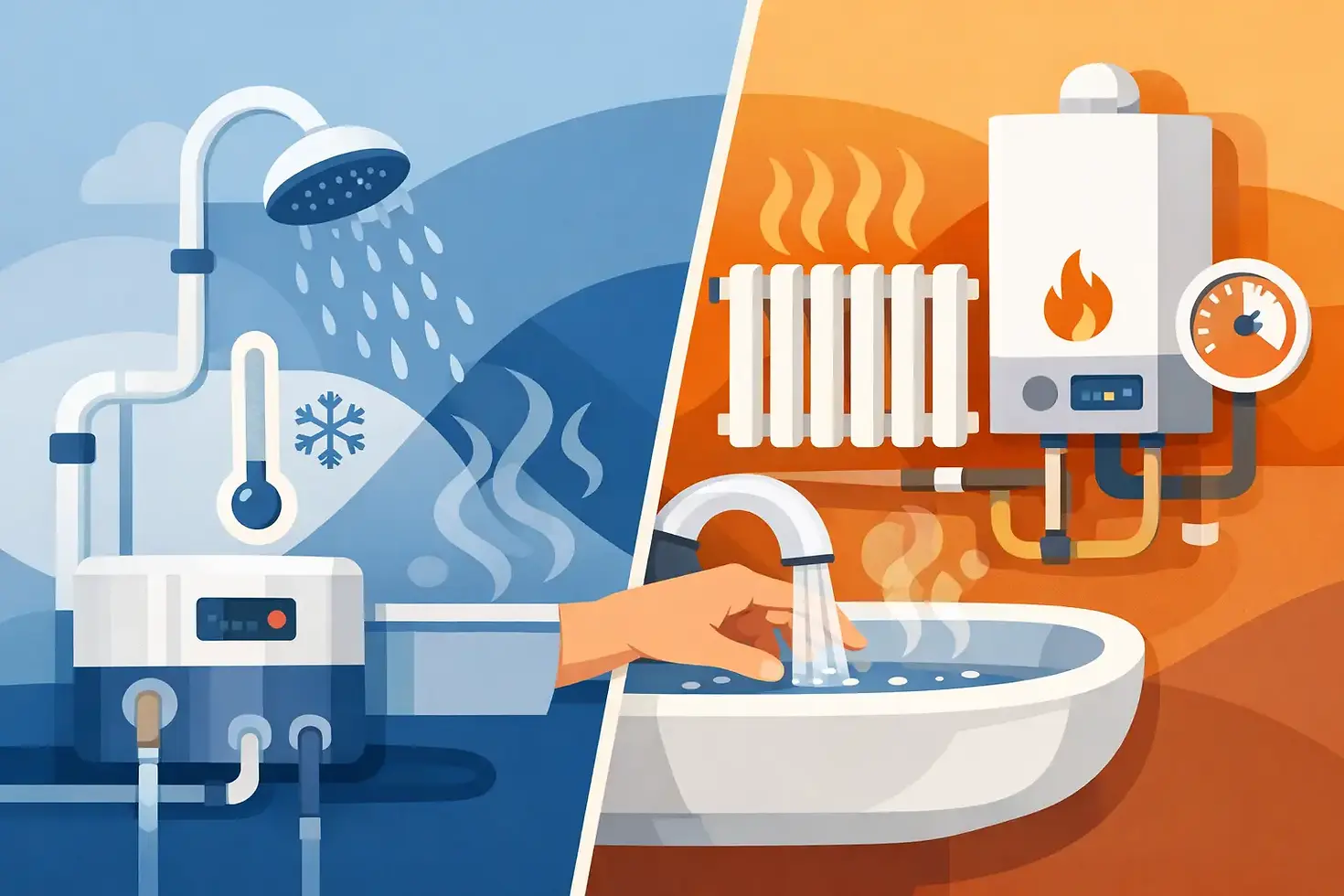
If you have no hot water but heating works, the boiler may not have failed completely. That is useful news, but it does not make the problem any less disruptive when you cannot wash, shower or do the dishes. In many homes, the cause is limited to the hot-water side of the system and can be identified quickly by a qualified heating engineer.
The right next step depends on the type of system in your home. A combi boiler, a boiler with a hot-water cylinder, and a system supported by solar thermal equipment can all show the same symptom for different reasons. Start with a few safe checks, then arrange a repair if the fault does not have an obvious, simple cause.
Why heating can work when hot water does not
Your central heating and domestic hot water are connected, but they do not always use the same controls or components. When the heating comes on normally, the boiler is still able to fire up, circulate water and respond to the heating controls. The fault may therefore lie with the part that switches the boiler into hot-water mode, detects demand from a tap, heats stored water, or directs heat to the cylinder.
On a combi boiler, hot water is made when you open a tap. A small internal component detects the flow and tells the boiler to prioritise hot water. If it does not detect that flow, or if a valve inside the boiler is stuck in the heating position, radiators may stay warm while the taps run cold.
With a conventional or system boiler, the problem may be at the hot-water cylinder. The cylinder thermostat, programmer, motorised valve or immersion heater can fail independently of the central heating. If your hot water is normally heated by solar thermal panels as well as the boiler, the controls and backup heating arrangement also need checking in the correct order.
Safe checks before you call someone out
First, check whether there is no hot water at every tap. Try a kitchen tap and a bathroom tap, allowing each to run briefly. If one tap is affected but another has hot water, the issue may be a local tap or mixer valve rather than the boiler or cylinder.
Next, look at the boiler display without removing any covers. An error code, warning light or low-pressure message gives an engineer a helpful starting point. Make a note of the code and whether it appears only when a hot tap is opened.
If you have a combi boiler, open a hot tap fully and listen from a normal, safe distance. Does the boiler react at all? You may hear it start, see a hot-water symbol on the display, or notice the flame indicator appear. If nothing changes, the boiler may not be recognising the demand for hot water. If it starts but the water remains cold, a different internal fault may be involved.
For a cylinder system, check the programmer or heating controls. Make sure hot water has not been switched off or set to a timer that is currently off. If there is a separate hot-water temperature setting, do not turn it up excessively. A normal cylinder temperature is generally around 60C, but a qualified engineer should investigate if the system will not reach or hold the set temperature.
Avoid trying to fix the issue by repeatedly resetting the boiler. One reset may be reasonable if the manufacturer instructions permit it, but repeated resets can mask a fault and may leave you without heating as well.
Common reasons for no hot water but heating works
A faulty diverter valve in a combi boiler
A diverter valve directs the boiler's heat either to the radiators or to the hot-water heat exchanger. When it sticks or fails, the boiler can continue heating the house but may not switch over properly when you run a tap. Sometimes the radiators become warm when you ask for hot water, which is a useful clue.
This is an internal boiler repair. It should be diagnosed and repaired by a Gas Safe registered engineer, not tackled as a DIY job.
A failed flow sensor or flow switch
A combi boiler needs to know that a hot tap has been opened. A faulty flow sensor, flow switch or related component can prevent that signal reaching the boiler. You may get a normal supply of cold water from the tap, but the boiler does nothing when the tap is opened.
Low flow from a blocked tap aerator or a partially closed stopcock can occasionally contribute, particularly if the problem affects only one outlet. However, if cold water flow is good throughout the home, the boiler itself needs proper fault-finding.
A plate heat exchanger problem
Combi boilers use a plate heat exchanger to transfer heat into your domestic hot-water supply. Over time, debris or limescale can restrict it, particularly where water is hard. The boiler may fire but produce only lukewarm water, water that goes hot then cold, or no useful hot water at all.
The repair is not always a simple clean. The engineer will assess the system condition, the age of the boiler and whether a replacement part is a more reliable option.
A cylinder control, valve or thermostat fault
If you have a hot-water cylinder, heating and hot water often have separate channels on the programmer. A failed motorised valve can leave the system able to heat radiators but unable to send heat through the cylinder coil. A faulty cylinder thermostat may also fail to call for heat even when the stored water is cold.
An immersion heater can provide a separate source of hot water in some homes. If you normally use it and it has stopped working, the fault may be electrical rather than boiler-related. Do not remove covers or test wiring yourself. An electrician or suitably qualified heating professional should inspect it.
When to treat the problem as urgent
No hot water is inconvenient, but certain signs need prompt action. Turn off the boiler if it is safe to do so and seek help without delay if you notice any of the following:
You can smell gas, suspect a gas leak or a carbon monoxide alarm sounds.
Water is leaking from the boiler, cylinder, pipework or a pressure-relief pipe.
The boiler is making loud banging noises, showing repeated fault codes, or losing pressure.
You have no heating as well, particularly during cold weather or where an elderly person, child or vulnerable resident is at home.
If you smell gas, do not operate electrical switches or use naked flames. Open doors and windows if safe, leave the property, and follow the gas emergency procedure. A boiler repair should only be arranged after the immediate gas safety issue has been dealt with.
What an engineer should check
A proper visit is about finding the cause, not simply getting the boiler running for a few hours. The engineer should establish whether you have a combi or cylinder system, check the controls and boiler status, and test how the system responds to a demand for hot water.
For a combi boiler, this may include checking the hot-water flow, sensor response, diverter valve operation and heat-exchanger performance. For a cylinder system, the check may focus on the programmer, cylinder thermostat, motorised valves, pump and immersion circuit. The exact repair depends on the fault, the condition of the system and availability of the correct parts.
Be clear about what has happened: whether the problem was sudden, whether hot water has been getting cooler over time, any display code, and whether the heating still works consistently. That information can save time and help the engineer arrive prepared.
Preventing another hot-water failure
Not every failure can be prevented, especially as boilers and controls age. However, annual servicing, correct system pressure, clean system water and early attention to small leaks or unreliable temperature changes can reduce the risk of a larger breakdown.
If your shower goes hot and cold, the boiler takes longer to respond to a tap, or the cylinder struggles to heat, do not wait for a complete loss of hot water. An early repair is often less disruptive than an emergency call-out and can help protect other parts of the heating system.
For homeowners, landlords and letting agents in Harpenden, Wheathampstead, Redbourn and Batford, Active 24-7 can diagnose domestic heating and hot-water faults without jargon or pressure. The aim is simple: identify what has failed, explain the practical repair, and get your home back to normal with quality work done right the first time.
A working heating system is a good sign, but cold taps still deserve a proper diagnosis. Make the safe checks, note what the boiler is doing, and arrange help before a limited hot-water fault turns into a wider breakdown.

Comments