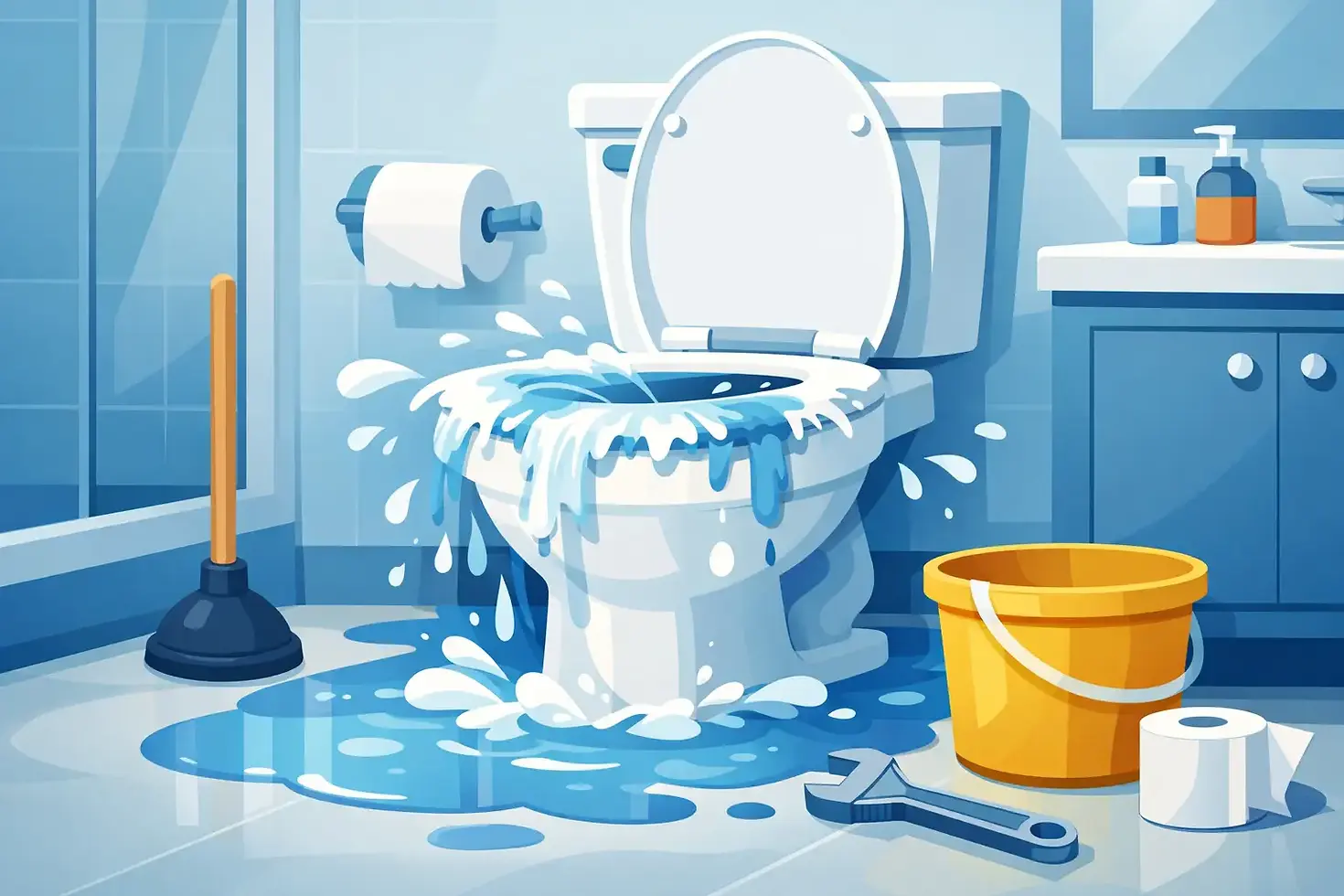
Toilet Overflowing: What to Do Right Now
- Iyanu Emmanuel
- Jul 26
- 6 min read

A toilet overflowing is one of those household problems that needs action before investigation. If you are searching toilet overflowing what to do, focus on one job first: stop any more water entering the bowl. A few calm steps can prevent a blocked toilet becoming damaged flooring, stained ceilings below, or a much larger clean-up job.
Stop the water immediately
Do not flush again. Even if the water level begins to fall, another flush can send it straight back over the rim.
Take the cistern lid off carefully and look inside. Press down the rubber flap at the bottom of the cistern if water is still running into the bowl. This is the flush valve, and holding it shut stops more water being released. If there is a float rising with the water level, gently lift it to stop the cistern refilling.
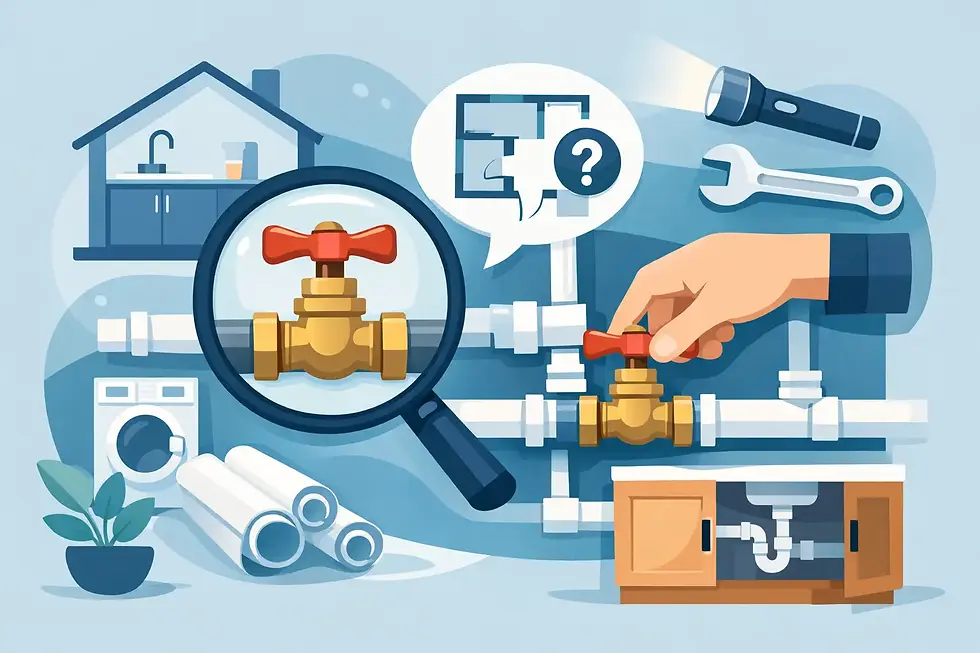
The more reliable option is the isolation valve on the small pipe leading into the toilet cistern. It is usually behind or beside the pan. Turn the small screw or lever clockwise until the water supply stops. A flat-head screwdriver may be needed for a slotted valve. If the valve will not turn easily, do not force it and risk creating a leak.
If you cannot stop the water at the toilet, turn off the property’s main stopcock. This is often under the kitchen sink, in a utility cupboard, or close to where the water supply enters the home. Everyone in the household should know where it is and check that it can be operated before an emergency happens.
Contain the overflow safely
Put on rubber gloves if you have them. Toilet water may contain bacteria, particularly if waste has come back into the bowl, so keep children and pets away from the area.
Use old towels, absorbent cloths or a mop to contain water on the floor. Start at the edge of the puddle to stop it spreading under skirting boards, into adjoining rooms or through a ceiling below. Avoid using your best bath towels - anything used to soak up contaminated water should be washed separately on a hot cycle where suitable, or disposed of if heavily soiled.
If the water is close to electrical sockets, extension leads, appliances or wiring, do not stand in it or attempt to move electrical items. Switch off the electricity to the affected area only if you can do so safely from a dry location. Call for professional help promptly.
Once the water is under control, open a window if possible. The immediate aim is not to make the room perfect. It is to limit damage, keep the area hygienic and give the toilet a chance to be assessed properly.
Why is the toilet overflowing?
Most overflowing toilets are caused by a blockage in the trap, the bend within the toilet pan, or the waste pipe beyond it. Too much toilet paper, wipes, sanitary products, cotton buds and children’s toys are common causes. So-called flushable wipes are especially troublesome: they do not break down like toilet paper and can lodge in pipework or combine with grease and other debris further along the drain.
A blockage can also be outside the toilet itself. If more than one toilet, basin, shower or bath is draining slowly, gurgling or backing up, the issue may be in the main soil pipe or external drain. In that situation, repeatedly plunging one toilet is unlikely to solve the real problem.
Occasionally, the bowl is not blocked at all. If clean water keeps running into the bowl without anyone flushing, the cistern mechanism may be faulty. A worn flush valve, incorrectly adjusted float, or failed inlet valve can cause continuous filling and eventually an overflow. The repair needed depends on which problem you have, which is why guessing can waste time and make the mess worse.
Toilet overflowing: what to do after the water stops
If the water has returned to its normal level and you believe the blockage is minor, a toilet plunger may be worth trying. Use a proper flange plunger designed for toilets rather than a small flat sink plunger. Ensure there is enough water in the bowl to cover the rubber end, create a seal over the outlet, then make slow, firm plunges for 15 to 20 seconds.
Do not use excessive force. Old pans, loose seals and poorly fitted toilets can be damaged by aggressive plunging. After plunging, wait to see whether the water drains away normally. Do not test the toilet with a full flush straight away. First pour a small bucket of water into the bowl. If it drains freely, a cautious flush may be safe.
A toilet auger can clear some obstructions deeper in the pan, but it can scratch the ceramic or push an object farther into the pipe if used without care. For most households, it is sensible to stop after one or two careful attempts and arrange a repair if the blockage remains.
Never pour chemical drain cleaner, bleach, boiling water or washing-up liquid into an overflowing toilet as a quick fix. Strong chemicals can splash back, damage seals and pipework, and create a hazard for anyone who later works on the blockage. Boiling water can crack a cold ceramic pan. Bleach disinfects surfaces but does not remove the obstruction.
When to call an emergency plumber
Call for help without delay if water has overflowed onto the floor, the toilet will not clear after a cautious plunge, or you cannot isolate the water supply. A prompt repair is particularly worthwhile where water may have reached a downstairs ceiling, laminate flooring, carpets or electrical fittings.
You should also arrange urgent assistance when there are signs of a wider drainage problem. These include sewage smells, gurgling from other fittings, water rising in the bath or shower when the toilet is flushed, or multiple slow-running drains. These symptoms can point to a blockage beyond the toilet and may need a different approach from a simple internal blockage.
For landlords and letting agents, an overflowing toilet is normally a same-day issue. Apart from potential property damage, a home without a usable toilet quickly becomes difficult for tenants. Clear communication matters here: explain whether water is still escaping, whether another WC is available, and whether any rooms below have been affected.
Active 24-7 provides practical emergency plumbing support for homes in Harpenden, Wheathampstead, Redbourn and Batford. Explain what you can see, what has already been tried and whether the stop valve has been closed. That helps the plumber arrive prepared and focus on getting the problem fixed properly.
Clean up and check for hidden damage
After the blockage or fault has been repaired, disinfect the toilet exterior, floor and any nearby hard surfaces with an appropriate household disinfectant. Wash hands thoroughly after removing gloves. Soft furnishings, rugs and porous materials affected by dirty water may need specialist cleaning or replacement, depending on the extent of contamination.
Check around the toilet base, behind the cistern and on the ceiling beneath the bathroom over the following day or two. A toilet may stop overflowing but still have a leak from a disturbed connector, seal or supply pipe. Damp patches, a musty smell, lifting flooring or staining are reasons to have the area checked before a small problem becomes a repair to the room as well as the plumbing.
Reduce the chance of another overflow
Only toilet paper and human waste should go down the WC. Keep wipes, tissues, sanitary items, dental floss, cotton pads and kitchen roll in a lined bathroom bin, even where packaging says a product can be flushed. In a busy household, a simple bin is often the best prevention.
If your toilet has been slow to clear for a while, do not ignore it just because it still flushes. Slow drainage, occasional bubbling and a weak flush can be early warnings of a developing blockage or cistern fault. Dealing with it during normal hours is usually less disruptive than handling an overflow at night.
An overflowing toilet feels urgent because it is urgent, but it does not require panic. Stop the water, protect the area, avoid risky chemical fixes and get experienced help when the cause is not clearly a small, simple blockage. Those first few minutes can make a real difference to the repair and the home around it.

Comments